Why Deanhouse are trusted to get it right

A successful commercial fit-out relies on more than the quality of the finished space. It depends on the decisions made throughout the project, the people responsible for delivering it and the confidence that challenges will be dealt with before they become bigger problems. For contractors, architects, designers and clients, choosing the right delivery partner means finding a team that understands the practical realities of a project. Tight programmes, changing requirements, restricted access and coordination between multiple trades all introduce pressures that need to be managed. We've built Deanhouse’s reputation on taking ownership of those challenges. As a specialist commercial fit-out contractor and bespoke joinery manufacturer, we bring technical design, manufacturing, project management and installation together to give clients greater clarity and control throughout delivery. Having worked across 1200+ projects we have the capabilities for a variety work.
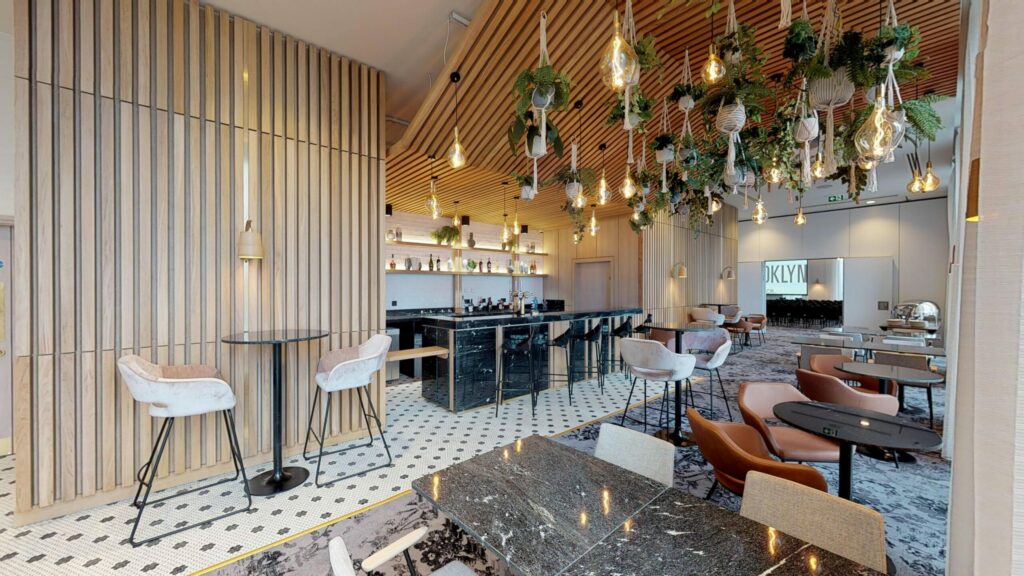
Hotel Brooklyn Manchester Bar Wooden Cladding Scaled

What makes a commercial fit-out contractor reliable?

A reliable commercial fit-out contractor is one that can manage the technical, operational and commercial requirements of a project while maintaining clear responsibility for delivery.  That means more than completing the work to specification. It involves understanding the brief, identifying potential challenges early, coordinating the different stages of delivery and keeping clients informed throughout the process.  In practice, reliability becomes particularly important when a project involves several stakeholders, an operational building or a deadline that cannot easily move.  The difference is often found in how those pressures are managed. 

Taking ownership from the beginning

One of the biggest challenges in commercial fit-out is ensuring responsibility remains clear throughout the project.  When technical design, manufacturing, installation and project management are handled separately, communication can become fragmented. A change to one element can affect several others, and without clear ownership, relatively small issues can become difficult to resolve.  At Deanhouse, our approach is built around keeping those stages connected.  Clients have a dedicated point of contact, supported by teams who understand the project from technical development through to installation. Commercial Director Stephen Rochester provides commercial oversight, while Operations Director Dominic Jones oversees manufacturing and delivery. This helps maintain communication between the people making decisions, the people manufacturing the work and those responsible for delivering it on site. Further supported by Design Manager Rob Metcalfe, Production Manager Glyn Richardson and Project Manager Jacob Pearson and Paul Mullins, who bring together technical, manufacturing and on-site requirements.   For us, accountability isn't simply about who is responsible when a project goes well. It's about who takes ownership when something needs resolving. 

The value of in-house manufacturing

Manufacturing plays a significant role in the success of a commercial interior fit-out, particularly where bespoke elements need to meet exact specifications or work within existing spaces.  Deanhouse manufactures bespoke joinery at our West Yorkshire facility, combining skilled craftsmanship with technical design and modern production capabilities, including 5-axis CNC machinery.  Having these capabilities in-house gives our team greater visibility over the manufacturing process, from initial drawings and material selection through to production and quality checks.  This is especially valuable when projects involve complex detailing, specialist materials or demanding installation programmes.  Rather than treating manufacturing as a separate stage, our technical and production teams can work closely together to consider how each element will be made, transported and installed.  That joined-up approach helps identify potential challenges earlier and supports more effective coordination between the workshop and site. 

Understanding the detail before it reaches site

A design may look straightforward on paper, but translating it into a finished installation requires a thorough understanding of materials, construction methods and site conditions.  Technical development is therefore an important part of the process.  At Deanhouse, we work alongside architects, designers and project teams to develop manufacturing information that considers both the intended finish and the practical requirements of production and installation.  This might involve reviewing material specifications, resolving complex junctions, accommodating existing building services or considering how individual components will be installed within restricted spaces.  The aim is to protect the design intent while making sure the proposed solution can be delivered.  Early involvement can also reduce the risk of discovering avoidable issues once manufacturing is underway or installation has started. 

Experience where delivery is more complex

Not every project takes place on an empty site with unrestricted access.  Many of the environments Deanhouse works within have their own operational pressures. Stadiums have fixture schedules, hospitality venues need to accommodate customers, and public buildings can have access restrictions or conservation requirements.  These factors influence everything from manufacturing and logistics to installation sequencing. 

Leicester Tigers: delivering around matchday

At Leicester Tigers, Deanhouse delivered the interior fit-out of the Chairman's Lounge at Mattioli Woods Welford Road. Working within an operational stadium meant planning around matchdays, restricted access and a demanding programme.  Our technical team developed detailed manufacturing drawings before producing bespoke joinery at our Honley facility, including the bar, servery units, oak joinery, Tristone worktops and slatted wall and ceiling details.  The project required coordination between manufacturing, logistics, other trades and installation to ensure the work could progress around the stadium's commitments.  Completed on time and within budget, the finished space provides a premium hospitality environment designed around the demands of matchday use.  These projects demonstrate different challenges, but the same principle applies to both: understanding the constraints early and maintaining clear responsibility throughout delivery. 

Building relationships that last beyond handover

For Deanhouse, trust isn't established through a single successful project. It develops through the experience clients have of working with the team over time. That includes the quality of the finished work, but also how the project was managed, whether communication was clear and how effectively challenges were resolved. Repeat work and ongoing client relationships are important to our business because they reflect confidence in the people and processes behind delivery. Adrian Miller, Director of Millerbrown Group shared “I have been using Deanhouse Interiors since June 2022 I am very happy with the value they provide and their customer service... they have never let me down...I hope to deal with them on all my joinery requirements going forward. " They also create opportunities to build a deeper understanding of clients' requirements, environments and expectations. For a business delivering specialist interiors across hospitality, stadia, commercial and other sectors, that understanding is valuable.

Why communication matters as much as craftsmanship

Good craftsmanship is essential, but it is only one part of delivering a successful project. Clients also need confidence that the programme is being managed, decisions are communicated and potential issues are identified before they affect other stages of the work. A missed update, an unresolved technical detail or a delay that isn't communicated can create unnecessary pressure across the wider project team. That's why clear communication matters. At Deanhouse, we focus on maintaining visibility between our project managers, technical teams, manufacturing facility and installation teams. Having people who understand their responsibilities, communicate directly and take ownership of decisions helps keep the project moving. As Dominic Jones, Operations Director at Deanhouse, explains: “The best projects aren't those without challenges. They're the ones where responsibility is clear from day one. When our team owns the project from design through to installation, decisions happen faster, communication stays clear and our clients can focus on their own priorities, rather than chasing ours.”

Understanding the detail before it reaches site

Frequently Asked Questions  
  • What should you look for in a commercial fit-out contractor? Relevant project experience, technical capability, clear communication and an approach to managing programme and quality are essential. It is also important to understand who will be responsible for each stage of delivery and how the contractor manages changes or challenges during the project.
 
  • What are the benefits of using a fit-out contractor with in-house manufacturing? In-house manufacturing can provide greater visibility over production, quality and lead times. It also allows technical, manufacturing and installation teams to communicate more directly, which can be particularly useful when projects involve bespoke elements, complex detailing or restricted programmes.
 
  • Why is early technical involvement important in commercial fit-out? Early technical involvement helps identify potential manufacturing, material and installation challenges before they reach site. It allows the design to be reviewed against practical requirements, supporting buildability and reducing the risk of avoidable changes later in the programme.
 
  • Can commercial fit-out take place while a building remains operational? Yes, although it requires careful planning around access, safety, deliveries, noise and ongoing operations. The programme may need to include phased installations, restricted working windows and close coordination with the client and other contractors to minimise disruption.
 
Getting it right is about more than the finished result The quality of a finished interior matters, but so does the process behind it. From understanding the brief and developing technical solutions to manufacturing, installation and handover, every stage has an impact on the success of a project. At Deanhouse, we bring those capabilities together with a straightforward approach to responsibility: clear communication, practical problem-solving and ownership from beginning to end. It's how we've built lasting relationships with clients and why we're trusted to deliver projects where the detail, programme and finished result all matter. Planning a commercial fit-out or bespoke joinery project? Get in touch with the Deanhouse team to discuss your requirements. We're on it.
Speak to the Deanhouse team about your project